- EXPERT'S HELP
- +256789210067
- +256200955001
- info@kenlinktours.com


Why Uganda was Named the Pearl of Africa
May 7, 2026
Uganda Gorilla Trekking vs Wildlife Safari
May 7, 2026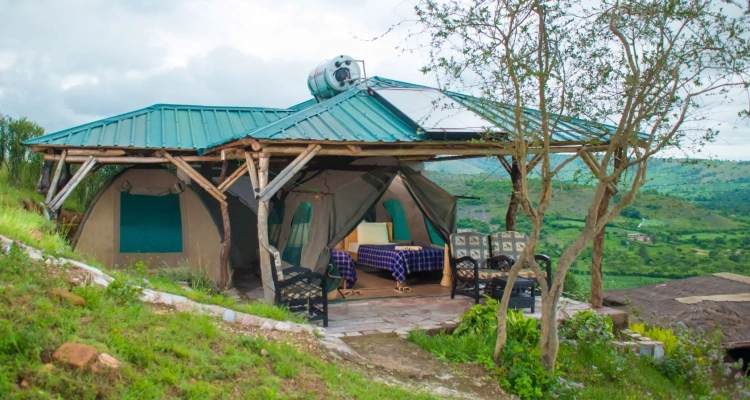
Budget Uganda Safaris for Backpackers. Uganda is widely celebrated as one of Africa’s most spectacular safari destinations, and it also happens to be one of the most genuinely backpacker-friendly. Unlike Kenya or Tanzania — where a classic safari almost always requires a serious financial commitment — Uganda offers a remarkable spread of wildlife experiences, national parks, primate encounters, and cultural adventures that can be tailored to fit almost any budget. A shoestring traveller and a luxury guest can both watch the same mountain gorilla in the same Bwindi forest on the same morning. The difference is how much they spent to get there and where they slept the night before. This guide is for the backpackers — the independent adventurers who want maximum Uganda with minimum spend.
Understanding the Real Cost of a Uganda Safari
Before diving into specific destinations and tips, it helps to get your numbers straight. Uganda’s travel costs are genuinely competitive by East African standards. A one-week trip for a solo budget traveller averages around USD 719, covering accommodation, meals, local transport, and sightseeing. Daily safari costs range from as low as USD 150 per person in a budget group package to USD 700 or more for a private luxury experience — meaning the budget tier is a very real and rewarding option, not a compromise version of the real thing.
The single biggest cost in any Uganda safari that includes gorilla trekking is the permit fee, set by the Uganda Wildlife Authority (UWA) at USD 800 for foreign non-residents, USD 700 for foreign residents, and UGX 300,000 for East African citizens. While this is a significant fixed cost, everything around it — accommodation, transport, food, and activities — can be dramatically reduced through smart planning. Budget lodges near Bwindi and Mgahinga start from USD 30 to USD 80 per night, camping costs as little as USD 10 to USD 20, and local meals from Ugandan eateries run USD 3 to USD 8 per plate. The country, in short, wants to be explored on a budget.
Tip 1 — Travel in the Low Season and Save Significantly
One of the most powerful tools in a backpacker’s Uganda planning kit is timing. The wet seasons — March through May and October through November — are Uganda’s low seasons for tourism, and the savings can be substantial. Accommodation rates at lodges and guesthouses near national parks drop noticeably, and tour operators including Kenlink Tours actively offer discounted packages to fill capacity during quieter months.
The parks do not close in the wet season, gorillas are still trackable, and the landscapes are arguably at their most beautiful — lush, green, and dramatically atmospheric. The main adjustment is practical: trails are muddier and hillsides more slippery, so waterproof boots and a rain jacket become essentials rather than optionals. The full gorilla trekking packing list is worth reading carefully before you go, particularly if your budget does not include last-minute equipment purchases at the trailhead. Low season also means fewer visitors on the trails, quieter parks, and a more intimate wildlife experience — advantages that many seasoned travellers actively seek out.
Tip 2 — Join Group Tours to Share Costs
The most effective single strategy for cutting costs on a Uganda safari is joining a scheduled group tour rather than booking a private itinerary. When transport costs, fuel, guide fees, and vehicle hire are split across a group of six to eight people, the per-person figure drops dramatically. Kenlink Tours runs scheduled group tours throughout the year, open to solo travellers, couples, and small groups alike. These pre-designed itineraries cover all the major destinations — gorilla trekking, chimpanzee tracking, game drives, and boat cruises — at a fraction of what a private safari would cost.
Group tours also offer a social dimension that many solo backpackers find genuinely valuable. You share the vehicle with fellow travellers from around the world, swap stories over meals, and often end up with a richer, more connected experience than you would on a private trip. For solo travellers specifically, joining a group removes the single-supplement surcharge that can inflate accommodation costs considerably. If you are flexible on exact dates, asking Kenlink Tours to match you with an upcoming group departure is one of the smartest budget moves you can make.
Tip 3 — Make Lake Mburo Your First Safari Stop
For backpackers entering Uganda from Kenya or heading south from Kampala, Lake Mburo National Park is the perfect, affordable first safari stop. It is Uganda’s closest national park to Kampala — just three to four hours by road — which immediately reduces transport costs. Unlike the larger western parks, Lake Mburo charges lower entry fees and offers a full range of activities at competitive prices: game drives to spot zebras, impalas, buffaloes, and eland; boat cruises on the lake among hippos and water birds; walking safaris guided by armed rangers; and even horseback riding through the savannah for a genuinely unique budget-friendly adventure.
The park is also home to over 330 bird species, making it a satisfying destination for birdwatchers. Community lodges and budget campsites operate near the park boundaries at very accessible price points. Because it does not require the long overland journeys that reaching Bwindi or Murchison Falls demands, Lake Mburo is an efficient use of both your time and your money — particularly if you have a week or less in Uganda and want to combine wildlife with the gorilla trekking experience in the southwest.
Tip 4 — Budget Gorilla Trekking Is Absolutely Possible
Many backpackers assume gorilla trekking is beyond their reach because of the USD 800 permit cost. In isolation, that fee is significant — but when you understand the full picture, a budget gorilla safari in Uganda becomes genuinely achievable for a cost-conscious traveller. The key is managing every other expense around the permit as tightly as possible.
Accommodation near Bwindi Impenetrable National Park ranges from community-run guesthouses at USD 30 to USD 50 per night all the way up to luxury eco-lodges. Choose a well-reviewed community lodge or budget banda and you will sleep comfortably within a short drive of the trekking trailhead. For transport, joining a group safari vehicle from Kampala or Entebbe costs USD 50 to USD 100 per person return — far cheaper than hiring a private vehicle. Hiring a local porter on the day of the trek (approximately USD 20) is strongly recommended: it eases the physical load on what can be a long, steep hike, and the fee goes directly to the local community. The gorilla trekking guide explains exactly how to book through UWA and what to expect on the day, so you arrive prepared rather than scrambling for information at the park gate.
Tip 5 — Sipi Falls and Kampala Are Free (or Nearly Free)
Some of Uganda’s most memorable experiences cost almost nothing. Sipi Falls, nestled in the foothills of Mount Elgon in eastern Uganda, is a trio of dramatic waterfalls set against terraced hillsides and coffee farms. Hiking the falls trail is inexpensive, guided community walks cost a few dollars, and abseiling down the main waterfall — one of the most exhilarating activities in the country — is available for a modest fee through local operators. Accommodation in Sipi is some of the most affordable and characterful in Uganda, with backpacker-friendly guesthouses and small lodges perched on the clifftops with views across the Karamoja plains.
In Kampala, the city offers a full day of exploration for almost nothing. The Gaddafi Mosque tower costs just USD 8 to climb and delivers panoramic views of the rolling capital. The Owino Market is a sensory immersion into everyday Ugandan life — chaotic, colourful, and entirely free. The Uganda Museum houses one of East Africa’s finest ethnographic collections. A boda-boda (motorcycle taxi) across town costs USD 1 to USD 2. And the food — rolex (a chapati rolled around egg and vegetables), matoke, groundnut stew, and fresh-fruit smoothies from roadside vendors — is delicious, filling, and priced for locals, not tourists.
Tip 6 — Consider a Self-Drive Safari for Maximum Flexibility
For backpackers with driving confidence and a sense of adventure, a self-drive gorilla safari in Uganda offers maximum flexibility at a manageable cost. A 4×4 vehicle rental from Kampala or Entebbe costs approximately USD 80 to USD 150 per day depending on the vehicle type, and splitting this across even two or three travellers brings the daily cost into very reasonable territory. Uganda’s main highways are in good condition, signposting is improving, and the driving experience — winding through mist-draped hills and tea plantations toward the forest — is part of the adventure in itself.
Offline navigation apps work well in most areas, and fuel stations are plentiful in towns. The key practical advice is simple: fill up before entering remote park zones, avoid driving at night, and always carry your gorilla permit and passport in your daypack. Self-drive pairs especially well with the Uganda about page overview of destinations to help you plan a logical route that connects multiple parks without excessive backtracking.
Tip 7 — Book Flexible and Last-Minute When Permits Allow
Gorilla permits must be booked well in advance — at least three to six months during peak season. But not every Uganda safari activity requires long-range planning. Chimpanzee tracking permits in Kibale Forest are more readily available, game drives in Queen Elizabeth and Murchison Falls require minimal advance booking, and the last-minute safari options available through Kenlink Tours make it possible to plan and depart within days for non-gorilla itineraries. For backpackers already on the ground in Uganda, this kind of flexibility is genuinely valuable. Being able to turn a free week into a Murchison Falls adventure or a Lake Mburo wildlife break without months of advance planning is one of Uganda’s underrated strengths as a travel destination.
Planning Your Budget Uganda Safari with Kenlink Tours
Kenlink Tours has been organising Uganda safaris since 2010 and has a genuine specialisation in budget-conscious travel. Their team understands that a backpacker’s dream is no less valid than a luxury traveller’s — it simply requires different tools: shared vehicles instead of private ones, community lodges instead of five-star properties, low-season timing, and group departures that spread fixed costs across more people.
Whether you are planning a three-day budget gorilla adventure from USD 1,200, a week-long primate-and-wildlife combo, or an extended backpacker journey through multiple parks and cultural destinations, the Kenlink team will help you spend your money where it matters most and save it everywhere else. Uganda’s Pearl of Africa title belongs to every kind of traveller — and with the right planning, a backpacker’s version of it is just as luminous as the luxury edition.