- EXPERT'S HELP
- +256789210067
- +256200955001
- info@kenlinktours.com


Rwanda Safaris Beyond Gorillas: Wildlife Culture
February 23, 2026
Uganda vs Kenya vs Rwanda Safaris
February 23, 2026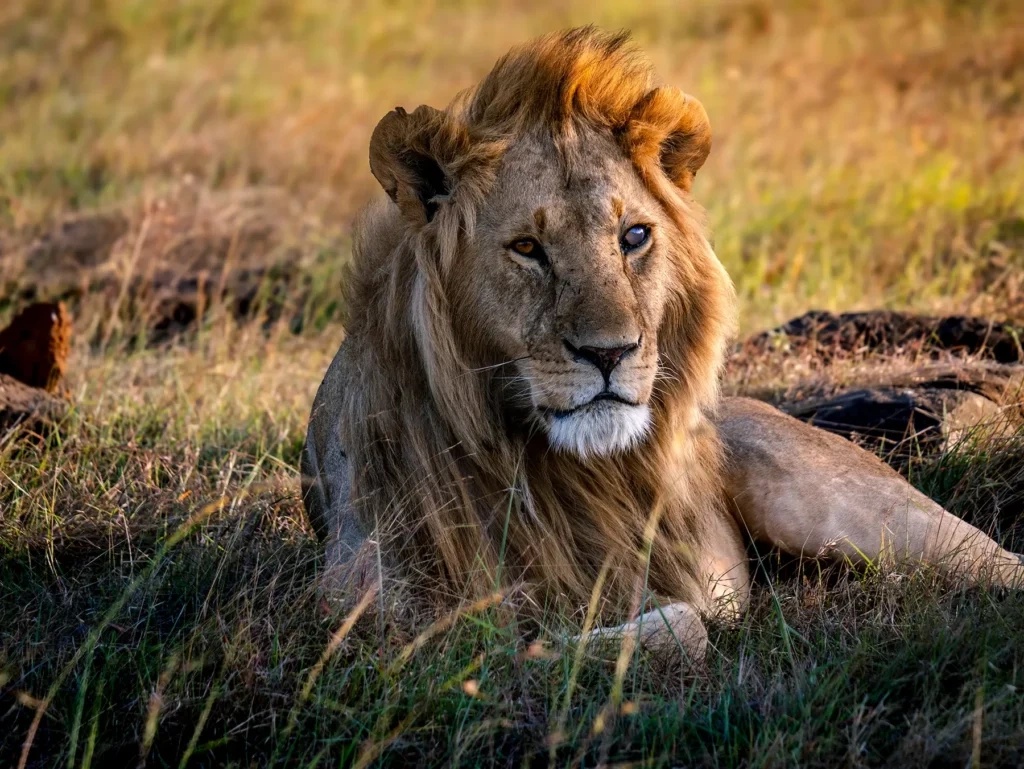
Kenya Safari Guide: Maasai Mara Big Five & Great Migration. Kenya is one of Africa’s most iconic safari destinations, renowned for its vast savannahs, abundant wildlife, and dramatic natural landscapes. Among its many national parks and reserves, the Maasai Mara National Reserve stands out as the crown jewel for wildlife enthusiasts. Famed for its Big Five populations and the spectacular Great Migration, the Maasai Mara offers a quintessential African safari experience that draws travelers from around the world.
This comprehensive guide explores everything a traveler needs to know about a Kenya safari, from the Big Five encounters and seasonal wildlife events to practical planning tips, accommodations, and why choosing a professional safari operator can enhance your journey.
Why Kenya Is a Top Safari Destination
Kenya’s appeal lies in its diverse ecosystems and well-managed conservation areas. Unlike other destinations where wildlife may be concentrated in a few parks, Kenya offers multiple regions for different safari experiences, including savannah plains, rolling hills, riverine forests, and semi-arid landscapes.
The country is home to over 100 mammal species and 1,100 bird species, making it a paradise for both wildlife enthusiasts and birdwatchers. Kenya also offers excellent infrastructure for tourists, including reliable roads, airstrips for small aircraft, and professional safari operators who provide knowledgeable guides and high-quality vehicles.
Kenya is suitable for all types of travelers, from solo adventurers to families and luxury tourists. Its combination of stunning wildlife, scenic landscapes, and vibrant culture ensures a safari experience that is memorable and immersive.
Maasai Mara National Reserve: The Heart of Big Five Safari
The Maasai Mara is perhaps the most famous wildlife reserve in Africa. Located in southwestern Kenya along the border with Tanzania, the Mara spans over 1,500 square kilometers of savannah, dotted with acacia trees and winding rivers.
The reserve is internationally celebrated for its Big Five populations—lion, leopard, elephant, buffalo, and rhinoceros. Encountering these animals in their natural habitat is an awe-inspiring experience and a highlight of any safari.
Game drives in the Maasai Mara are usually conducted in the early morning and late afternoon, when wildlife is most active. Professional guides are skilled at locating predators, tracking elephants, and spotting elusive leopards. Whether you are an experienced wildlife photographer or a first-time safari traveler, a guided game drive ensures maximum wildlife encounters while maintaining safety and respect for the animals.
The Big Five in the Maasai Mara
The term “Big Five” originally referred to the five most challenging animals to hunt on foot, but today it represents the ultimate wildlife viewing experience. In the Maasai Mara, the Big Five includes:
-
Lion: The savannah’s apex predator, often seen resting under acacia trees or on termite mounds. Pride dynamics and hunting behavior make lions a captivating subject for observation.
-
Leopard: Stealthy and elusive, leopards are best spotted at dusk or early morning. Guides use their expertise to track these solitary cats, often resting in trees.
-
Elephant: The Maasai Mara hosts large herds of African elephants, which can be seen bathing in rivers, foraging, or walking majestically across the plains.
-
Buffalo: African buffaloes are massive and formidable, typically found grazing in groups or moving across the savannah in search of water.
-
Rhinoceros: While rarer, black rhinos are present in protected areas of the reserve, and sightings are considered a remarkable bonus on any safari.
In addition to the Big Five, the Maasai Mara is home to cheetahs, hippos, giraffes, zebras, wildebeests, and countless bird species, making it a paradise for wildlife enthusiasts and photographers alike.
The Great Migration: Nature’s Spectacle
One of the most remarkable events in the Maasai Mara is the Great Migration, which occurs annually between July and October. During this period, over 1.5 million wildebeests and hundreds of thousands of zebras and gazelles migrate from Tanzania’s Serengeti into the Maasai Mara in search of fresh grazing lands.
The migration is a dynamic and unpredictable spectacle that includes:
-
River crossings: Wildebeests and zebras must cross crocodile-infested rivers, creating dramatic and life-threatening encounters.
-
Predator interactions: Lions, cheetahs, and hyenas take advantage of the migration, providing intense predator-prey moments.
-
Endless herds: Vast plains filled with moving animals create one of the most iconic African landscapes imaginable.
Experiencing the Great Migration is a dream for safari enthusiasts and photographers. It combines action, suspense, and the raw beauty of Africa’s wilderness. Booking a safari during this period requires careful planning, as accommodation and guided tour spots fill quickly.
Other Wildlife Destinations in Kenya
While the Maasai Mara is a flagship destination, Kenya offers a range of other safari parks and reserves:
-
Amboseli National Park: Famous for elephants with Mount Kilimanjaro as a backdrop. Amboseli offers excellent photographic opportunities and year-round wildlife viewing.
-
Lake Naivasha & Crescent Island: A freshwater lake ideal for boat safaris to see hippos, waterbirds, and giraffes on the islands.
-
Samburu National Reserve: Home to unique northern species such as Grevy’s zebra, reticulated giraffe, and Somali ostrich.
-
Tsavo National Park: One of the largest parks in Kenya, divided into Tsavo East and Tsavo West, known for its red elephants and rugged landscapes.
Including these parks in a multi-day itinerary offers a diverse safari experience, combining Big Five encounters with unique ecosystems and regional wildlife.
Planning Your Kenya Safari
To maximize your Kenya safari experience, consider the following:
1. Best Time to Visit
The Maasai Mara is excellent year-round, but the Great Migration season (July–October) offers the most dramatic wildlife spectacles. Other parks, like Amboseli and Tsavo, are ideal from June to October during the dry season when wildlife concentrates around water sources.
2. Safari Duration
A typical Maasai Mara safari lasts 3–5 days, while a multi-park itinerary may range from 7–12 days. Longer safaris allow more wildlife encounters, relaxed travel, and optional cultural or scenic stops.
3. Accommodation
Kenya offers a wide spectrum of safari lodges and camps:
-
Luxury lodges with modern amenities and private tents
-
Mid-range safari camps offering guided activities and comfort
-
Budget-friendly eco-camps for adventurous travelers
4. Guided Safaris
Professional guides are essential for locating wildlife, understanding animal behavior, ensuring safety, and enhancing the overall safari experience. Many operators also provide photography guidance and cultural insights during game drives.
5. Health & Safety
Travelers are advised to carry anti-malarial medication, vaccinations, and a basic first aid kit. Safari operators follow strict safety protocols to ensure a secure and enjoyable experience.
Combining Wildlife with Cultural Experiences
A Kenya safari is not just about wildlife—it is also about connecting with local culture. The Maasai people, who live around the Mara, offer visitors insights into traditional life, beadwork, and herding practices. Cultural visits can include:
-
Village walks to interact with Maasai families and children
-
Traditional dance and music performances
-
Educational visits explaining local conservation efforts
Incorporating cultural experiences adds depth and meaning to a safari, allowing travelers to understand the symbiotic relationship between communities and wildlife conservation.
Safari Activities Beyond Game Drives
While game drives are the mainstay of a safari, Kenya offers a range of complementary activities to enhance your experience:
-
Hot air balloon safaris: Glide over the Mara plains at sunrise and witness the animals from a unique perspective.
-
Walking safaris: Explore the savannah on foot with an armed guide to learn about tracks, flora, and smaller wildlife.
-
Boat safaris: Particularly around Lake Naivasha and Lake Baringo, offering opportunities to see hippos, crocodiles, and abundant birdlife.
-
Photography tours: Specialized safaris for amateur and professional photographers to capture wildlife, landscapes, and the migration.
These activities allow travelers to personalize their safari experience and create unforgettable memories beyond traditional game drives.
Photography and Wildlife Observation Tips
For wildlife photographers and enthusiasts, Kenya offers unparalleled opportunities, but preparation is key:
-
Bring binoculars and zoom lenses to capture animals at a safe distance
-
Shoot during golden hours—early morning and late afternoon—for the best light
-
Wear neutral-colored clothing to blend with the environment and avoid startling wildlife
-
Listen to your guide for positioning, safety tips, and wildlife insights
Even casual travelers benefit from a camera or smartphone to document encounters with lions, elephants, and the sweeping Mara plains.
Sample 7-Day Maasai Mara Safari Itinerary
Day 1: Arrival in Nairobi
Arrive at Jomo Kenyatta International Airport. Overnight stay in Nairobi with optional city tour or visit to the Giraffe Centre.
Day 2: Drive or Fly to Maasai Mara
Transfer to the Maasai Mara. Afternoon game drive en route to lodge.
Day 3: Full-Day Game Drive
Morning and afternoon game drives with picnic lunch. Focus on Big Five sightings and predator activity.
Day 4: Optional Balloon Safari and Game Drive
Early morning hot air balloon safari (optional). Afternoon game drive and visit to Maasai village.
Day 5: Day in the Mara or Nearby Conservancies
Explore additional conservancies or relax at the lodge. Optional walking safari.
Day 6: Game Drive & Sunset Photography
Final full-day game drive to capture dramatic landscapes and wildlife moments. Evening at leisure.
Day 7: Return to Nairobi or Fly Out
Morning game drive, then transfer back to Nairobi for departure.
This itinerary provides a balance of wildlife viewing, cultural engagement, and scenic experiences, suitable for families, solo travelers, and groups.
Why Choose a Professional Safari Operator
A well-organized safari ensures:
-
Safe and comfortable travel in 4×4 vehicles
-
Expert guides for wildlife tracking and photography
-
Efficient park entry and permits
-
Local insights and cultural interactions
-
Customized itineraries to suit time, interests, and budget
Professional operators also handle logistics, meals, accommodations, and optional activities, allowing travelers to focus on the experience rather than planning.
Choosing Kenya for the Ultimate African Safari
Kenya remains a top safari destination due to its:
-
Rich wildlife diversity and iconic Big Five populations
-
Seasonal Great Migration spectacle
-
Scenic landscapes ranging from savannahs to mountains
-
Cultural immersion opportunities with Maasai and other local communities
-
Accessibility and well-developed tourism infrastructure
Whether you are a wildlife enthusiast, photographer, or adventure traveler, Kenya offers experiences that are thrilling, educational, and deeply memorable.
Why Book Your Maasai Mara Safari with Us
At Kenlink Tours, we specialize in crafting tailor-made safari experiences in Kenya. Our professional guides, well-maintained vehicles, and local expertise ensure a safe, seamless, and unforgettable journey. We handle everything from permits and accommodations to game drives, cultural visits, and optional activities. By traveling with Kenlink Tours, you benefit from personalized service, insider knowledge, and a focus on authentic safari experiences that suit your interests and pace.
For bookings, reservations, and inquiries, contact us at:
info@kenlinktours.com | inquiries@kenlinktours.com